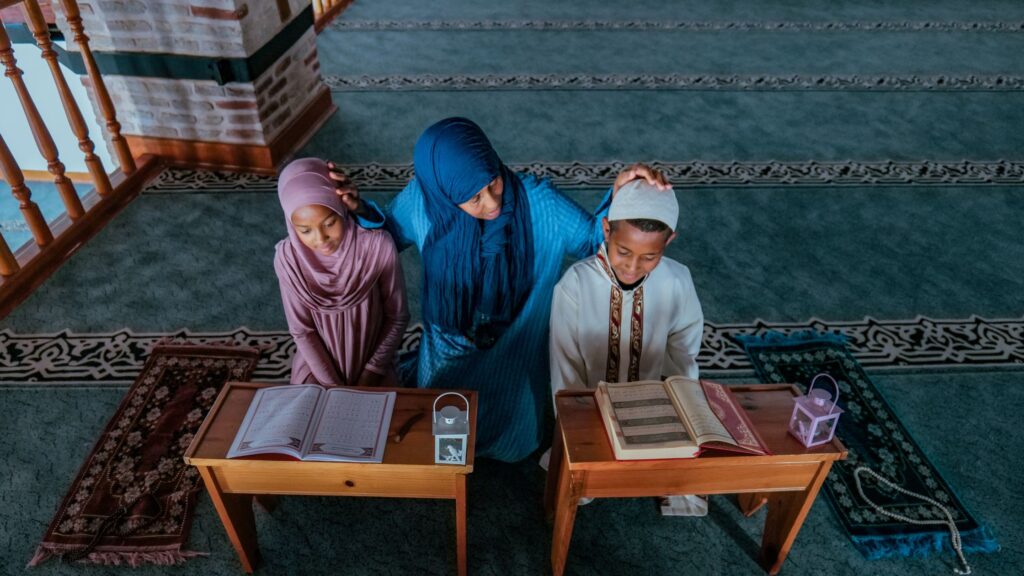
Fatherhood in Islam is a sacred trust, marked not only by provision and protection but by wisdom, guidance, and sincere care for a child’s spiritual journey.
The example of Luqman the Wise in the Qur’an offers timeless lessons on what it means to be a righteous father. Luqman did not merely provide for his son—he spoke to him with love, reason, and spiritual clarity. He taught him tawḥīd (pure monotheism), warned him against shirk, and instilled in him moral and ethical values: prayer, humility, patience, and kindness to parents.
This model shows that the role of a father goes beyond material support—it includes being a moral compass, a spiritual mentor, and a wise companion in the child’s path to Allah ﷻ.
A father’s legacy is not in wealth, but in raising children who worship their Lord, live with integrity, and pass that light onto future generations.
Like Luqman, a wise father teaches by example, corrects with compassion, and anchors his parenting in the remembrance of Allah. Through this, his sacrifices become acts of worship, and his reward multiplies with every righteous deed his children carry forward.